
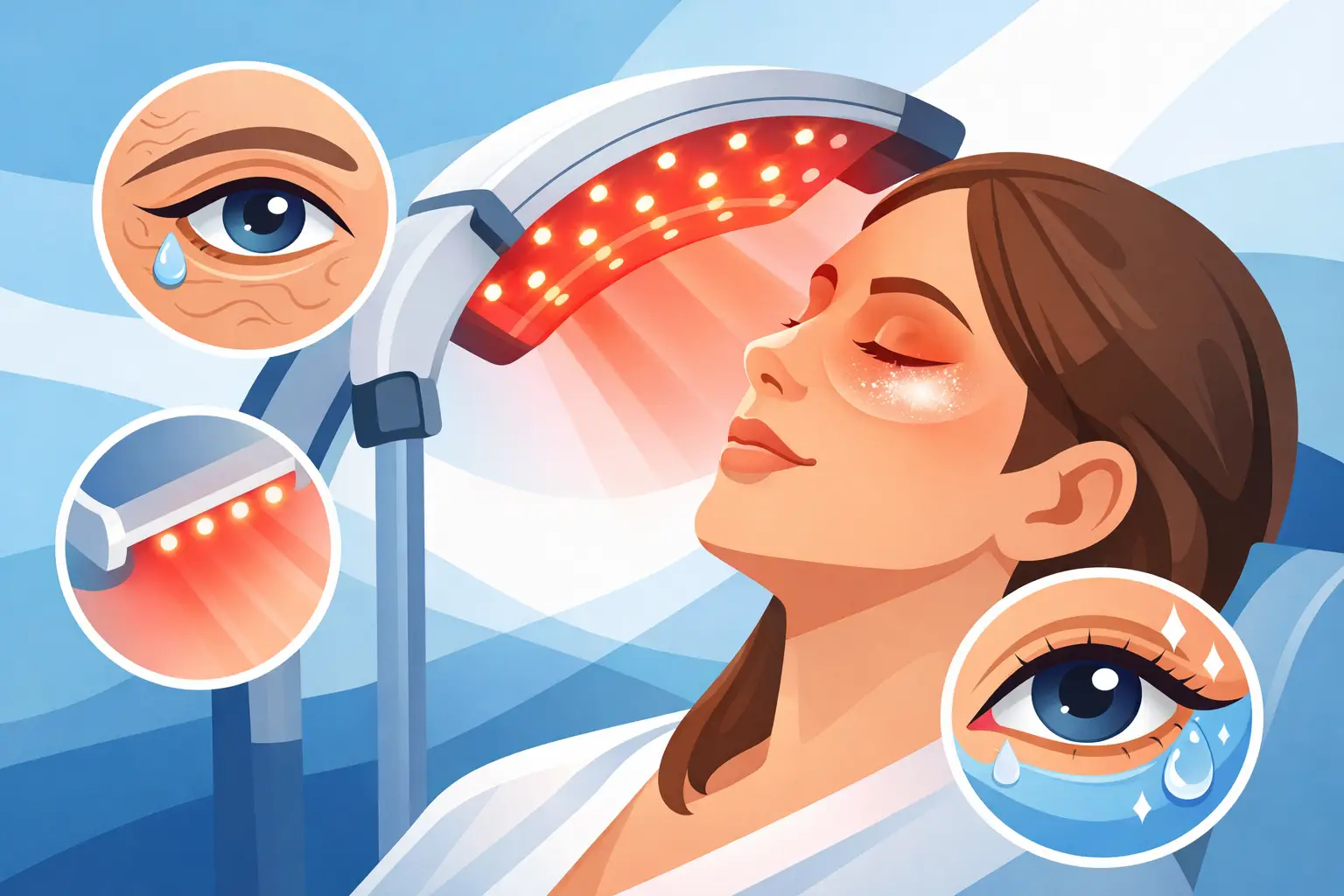
Dry, gritty or burning eyes can make reading, driving, computer work and contact lens wear feel far more difficult than they should. For many people, artificial tears provide short-term relief but do not address the reason symptoms keep returning. Low level light therapy for dry eye is an in-clinic treatment option that may help when dry eye is linked to poor oil gland function in the eyelids.
At Boda Family Eye Care, dry eye treatment begins with understanding what is happening on the eye surface and around the eyelids. The right treatment is different for every person. Light-based therapy can be useful for some patients, but it works best as part of a tailored plan rather than as a one-size-fits-all answer.
Why dry eye is often an eyelid problem
Healthy tears are not simply water. They have layers that work together to keep the front of the eye smooth, comfortable and protected. The outer oily layer is especially important because it slows tear evaporation.
That oil is produced by tiny meibomian glands along the eyelid margins. When these glands become blocked, inflamed or less productive, tears can evaporate too quickly. This is called evaporative dry eye, often associated with meibomian gland dysfunction, or MGD.
People with MGD may notice fluctuating vision, watery eyes, redness, stinging, a gritty feeling or discomfort that worsens later in the day. It can seem confusing that watery eyes may be a sign of dryness, but this is often a reflex response to an irritated eye surface. Long hours on screens, air conditioning, contact lenses, hormonal changes, certain medicines and skin conditions such as rosacea can all contribute.
What is low level light therapy for dry eye?
Low level light therapy, sometimes called LLLT or photobiomodulation, uses carefully controlled light delivered around the eyelids and surrounding facial area. It is non-invasive and is designed to support the natural cellular processes involved in tissue health and inflammation control.
In dry eye care, the goal is generally to improve the environment around the meibomian glands. When eyelid inflammation and gland dysfunction are contributing to symptoms, light therapy may help support more comfortable eyelids and better quality oils in the tear film over time.
It is not a laser treatment, and it does not involve surgery or injections. Patients wear protective eye shields or goggles during treatment. The light is applied externally, so nothing needs to touch the surface of the eye.
Research into photobiomodulation for dry eye is continuing, and results can vary between patients. It should be viewed as a clinically guided option that may complement other treatments, not a guaranteed cure for every type of dry eye.
How it differs from IPL
Low level light therapy and intense pulsed light, or IPL, are both light-based treatments used in some dry eye management plans, but they work differently. IPL delivers brief pulses of broad-spectrum light to the skin around the eyes. It is often used to help manage inflammation and visible blood vessels that may be associated with rosacea-related eyelid disease.
LLLT uses lower-intensity light for a longer, controlled exposure. In some cases, a clinician may recommend LLLT on its own. In others, it may be used alongside IPL and treatments that directly help clear blocked eyelid glands. The most suitable approach depends on your eyelid health, skin type, symptoms, medical history and examination findings.
What happens at a dry eye assessment?
A thorough dry eye assessment looks beyond whether your eyes feel dry on the day. Your optometrist will ask about your symptoms, work and screen habits, contact lens use, general health and medicines. They will also examine the tear film, eyelid margins, gland openings and the surface of your eyes.
This matters because dry eye can have more than one cause. Some people have mainly evaporative dry eye from MGD. Others have reduced tear production, allergy, surface inflammation, incomplete blinking, contact lens-related dryness or a combination of factors. Light therapy is most likely to be considered when the eyelids and meibomian glands are a meaningful part of the problem.
The assessment also helps rule out other reasons for red, painful or watery eyes. Sudden pain, light sensitivity, reduced vision, significant discharge or an eye injury should be assessed promptly rather than treated as routine dry eye.
What does treatment feel like?
A low level light therapy appointment is usually straightforward. After your clinician confirms that treatment is appropriate, protective eyewear is placed over the eyes. Light is then applied to the planned treatment area for a set time.
Most people find the session comfortable. You may notice brightness through the protective shields or a gentle warming sensation, depending on the device and treatment protocol. There is generally no downtime, so patients can usually return to normal daily activities afterwards.
Treatment is commonly delivered as a course of sessions rather than a single appointment. The number and timing of sessions depend on the severity of gland dysfunction, whether IPL is also being used and how your eyes respond. Your optometrist may also recommend home care, such as warm compresses, eyelid hygiene, prescribed drops or dietary advice, to support the results.
Who may benefit from light-based dry eye treatment?
LLLT may be worth discussing if dry eye symptoms continue despite regular lubricating drops and there are signs of meibomian gland dysfunction or eyelid inflammation. It can be particularly relevant for people whose eyes feel worse after screen use, in heated or air-conditioned rooms, or while wearing contact lenses.
It may also be considered for patients with facial rosacea or recurring eyelid irritation, although suitability always needs to be assessed individually. Some medical conditions, medicines, skin concerns and eye conditions may mean another approach is safer or more appropriate. This is why a consultation is essential before starting treatment.
Children, pregnant patients and people with complex health needs should receive individual advice. Dry eye is not always a simple comfort issue, and the safest plan is one based on a full eye health assessment.
Setting realistic expectations
The aim of dry eye treatment is to improve comfort, protect the eye surface and make vision more stable. Some patients notice a change relatively early in a treatment course, while others experience a more gradual improvement. If the underlying cause is ongoing, such as rosacea, prolonged screen use or chronic gland changes, maintenance care may be needed.
LLLT does not replace good daily habits. Taking regular screen breaks, blinking fully, staying well hydrated and using lubricating drops as advised can all make a difference. For contact lens wearers, reviewing lens type, cleaning routine and wearing time may be equally important.
It is also helpful to remember that dry eye can fluctuate. A good week does not necessarily mean treatment is no longer needed, and a difficult week does not mean a plan has failed. Follow-up care allows your optometrist to adjust treatment based on how your eyes look and feel.
Choosing care close to home
Persistent dry eye deserves more than repeatedly changing eye drops at the pharmacy. A proper assessment can identify whether the tear film, eyelid glands, eye surface or another issue is driving your symptoms. From there, treatment can be matched to your needs, comfort and budget.
If dry, irritated or watery eyes are affecting your day, arranging a dry eye assessment is a practical next step. With clear answers and a personalised care plan, it is possible to move towards more comfortable eyes and more reliable vision.