
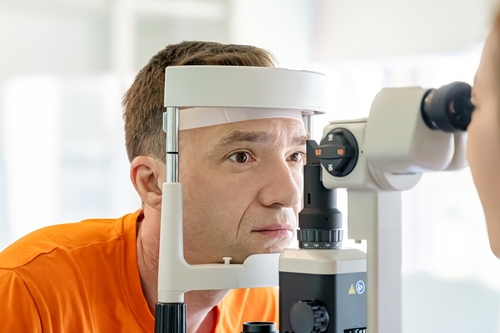
Booking an eye check is something many people put off—often because they’re not sure what to expect. A comprehensive eye exam is a straightforward and important appointment that goes beyond checking whether you need glasses. It plays a key role in maintaining long-term eye health for people of all ages.
At Boda Family Eyecare in Auburn, comprehensive eye exams are designed to be thorough, comfortable, and personalised, ensuring your vision and eye health are carefully assessed at every visit.
It Starts With Understanding You
Every eye exam begins with a conversation. Your optometrist will ask about your vision, lifestyle, and general health. This may include questions about eye strain, dryness, headaches, screen use, or any changes in your eyesight. Family history and medical conditions are also discussed, as they can influence eye health.
This step is important because it allows the exam to be tailored specifically to your needs, rather than following a generic checklist.
Checking How Clearly You Can See
Vision testing is the part most people are familiar with—reading letters on a chart at different distances. During this stage, your optometrist assesses how clearly you can see and whether your current glasses or contact lens prescription is still suitable.
Even minor prescription changes can improve comfort, reduce eye strain, and enhance clarity for everyday activities such as driving, reading, or working on digital screens.
Assessing the Health of Your Eyes
A comprehensive eye exam looks beyond vision correction to examine the overall health of your eyes. Using specialised diagnostic equipment, your optometrist carefully examines the structures of your eyes, including the retina and optic nerve.
This allows for early detection of eye conditions such as glaucoma, macular degeneration, diabetic eye disease, and cataracts. Many of these conditions develop gradually and without noticeable symptoms, which is why regular eye exams are so important—even if your vision feels fine.
Eye Pressure and Eye Coordination Tests
As part of the exam, eye pressure is measured to screen for glaucoma. Your optometrist may also assess how well your eyes move, focus, and work together. These tests are particularly important for children, students, and people who experience eye fatigue or difficulty concentrating.
Clear Results and Personalised Advice
At the end of the exam, your optometrist will explain the results clearly and answer any questions you may have. If glasses, contact lenses, treatment, or follow-up care are recommended, these options will be discussed in detail so you can make informed decisions about your eye care.
There is no rush—understanding your eye health is just as important as the exam itself.
Why Regular Eye Exams Matter
Comprehensive eye exams are not only about improving vision today; they are about protecting your eyesight for the future. Regular eye checks help detect problems early, monitor changes over time, and ensure your eyes remain healthy at every stage of life.
If it has been a while since your last eye exam, or if you have noticed changes in your vision, booking a comprehensive eye exam is a simple step that can make a lasting difference.
Your eyes work hard every day—taking care of them starts with a regular eye check.