
A lot of people only book an appointment when their glasses feel wrong or their eyes start bothering them. That seems reasonable, but it often means eye problems are picked up later than they should be. If you have ever wondered how often comprehensive eye exam appointments are really needed, the answer depends on your age, your health, your vision needs, and whether anything has changed since your last check.
A comprehensive eye exam is more than a quick prescription update. It checks how well you are seeing, but it also looks at the health of your eyes and can help detect issues before you notice symptoms. For families across Auburn and surrounding Western Sydney suburbs, regular eye care is one of the simplest ways to protect long-term vision.
How often should a comprehensive eye exam be booked?
For many adults with stable vision and no major risk factors, a comprehensive eye exam every two years is a sensible baseline. That timing suits a lot of people who are generally healthy, not noticing changes, and do not have a personal or family history that places them at higher risk.
That said, two years is not the right answer for everyone. Some people should be seen every year, and others may need reviews even more often. Children, older adults, people with diabetes, patients with dry eye symptoms, and anyone with changing vision usually need a closer schedule.
The reason is simple. Some eye conditions develop gradually and quietly. You may still be reading your mobile, driving, and getting through daily life without realising that your eyes are under strain or that early disease is present.
Why regular eye exams matter even if your vision seems fine
Good eyesight does not always mean healthy eyes. Conditions such as glaucoma, diabetic eye disease, cataracts, and retinal changes can begin without obvious warning signs. In the early stages, people often feel completely normal.
A thorough examination can reveal subtle changes in eye pressure, focusing, eye teaming, the surface of the eye, or the back of the eye. For children, it can also uncover vision issues that affect learning and concentration without the child being able to explain what is wrong. For adults, it may identify problems linked to headaches, screen fatigue, or fluctuating vision.
This is one of the biggest differences between a medically focused eye examination and a simple script check. A proper review looks at your eyes as part of your overall health, not just whether you need stronger lenses.
How often comprehensive eye exam schedules vary by age
Children
Children should have their eyes assessed regularly because vision plays a major role in learning, coordination, and development. A child can have blurry vision in one eye, focusing problems, or eye alignment issues and still not complain. They often assume that what they see is normal.
School-aged children generally benefit from regular comprehensive eye exams every one to two years, or sooner if there are concerns. If a child has myopia, trouble at school, headaches, eye turns, or a family history of eye problems, yearly reviews are often more appropriate.
For children undergoing myopia control, follow-up is usually more frequent. That is because treatment needs to be monitored carefully to make sure progression is slowing and the plan remains suitable.
Adults aged 18 to 64
If you are an adult with no eye symptoms, no medical risk factors, and stable vision, every two years is often appropriate. But there are plenty of exceptions.
Annual eye exams are a better fit if you wear contact lenses, spend long hours on screens, notice dry or irritated eyes, have frequent prescription changes, or have a family history of eye disease. Even something as common as increasing headaches or trouble driving at night can be a sign that it is time to come in sooner.
People sometimes put off an eye exam because they think minor blur is just tiredness or age. Sometimes it is. Sometimes it is not. The only reliable way to know is to have it checked properly.
Older adults
As we get older, the chance of developing cataracts, glaucoma, macular changes, and general vision decline increases. That is why yearly comprehensive eye exams are commonly recommended for older adults, even if they feel their sight is still managing well.
An annual review helps track gradual changes over time. That matters because treatment and referral decisions are often based not just on one result, but on whether something is stable, worsening, or changing faster than expected.
When you may need eye exams more often
Some patients should not wait one or two years between appointments. More frequent care is often recommended if you have diabetes, high blood pressure, autoimmune conditions, thyroid disease, or a strong family history of glaucoma or macular disease.
You may also need closer monitoring if you have had an eye injury, previous eye surgery, recurring red eyes, dry eye disease, or sudden changes in vision. Contact lens wearers often benefit from regular annual reviews because lenses affect the eye surface and need ongoing assessment for comfort, fit, and eye health.
Pregnancy can also bring temporary vision changes for some people. While not every change is serious, new blur, visual disturbance, or eye discomfort should not be ignored.
In these situations, how often comprehensive eye exam visits are needed is best decided individually. A standard timeframe may not be enough if there is a known risk that needs watching.
Signs you should book sooner, not later
Sometimes the calendar matters less than your symptoms. If your vision has changed, it is best not to wait for your next routine review.
Book promptly if you notice blurred vision, flashes, floaters, eye pain, redness, light sensitivity, double vision, headaches linked to visual tasks, or increasing trouble with reading or night driving. Children should also be assessed sooner if they squint, sit too close to screens, lose their place when reading, rub their eyes often, or seem to avoid close work.
Urgent symptoms do not always mean something serious, but they do deserve proper assessment. Early attention can make a real difference.
What happens during a comprehensive eye exam
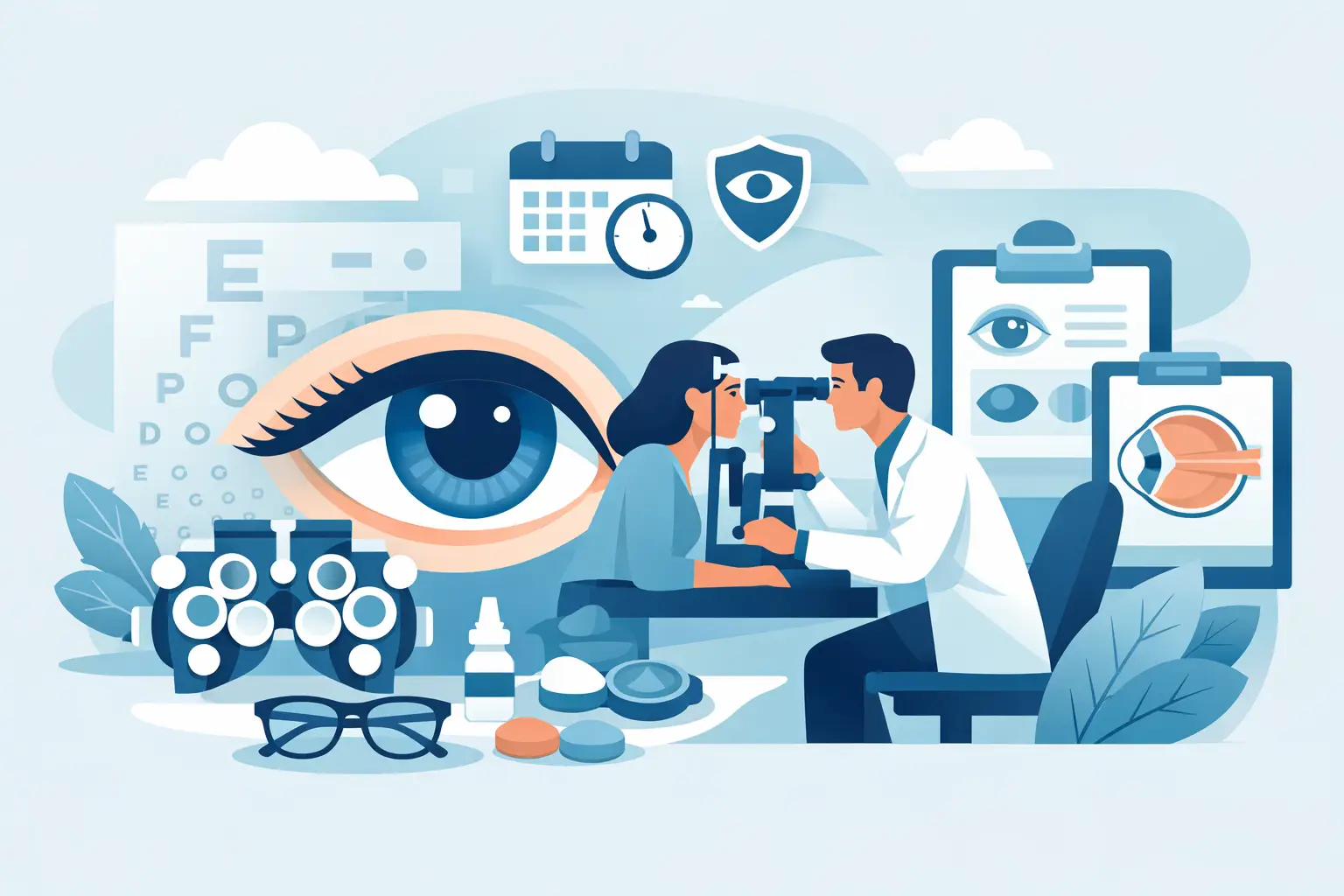
A comprehensive eye exam usually includes more than people expect. Along with checking your prescription, your optometrist may assess focusing, eye coordination, eye pressure, the health of the front and back of the eye, and any signs of disease or inflammation.
Depending on your needs, the examination may also include retinal imaging, dry eye assessment, or other testing to look more closely at specific concerns. This is especially valuable for patients managing ongoing issues or those with higher risk factors.
At Boda Family Eye Care, this kind of thorough approach is part of helping patients feel informed and supported, not rushed through a basic check. For many families, that extra attention offers peace of mind.
The trade-off between waiting and checking early
Some people worry that regular eye exams are unnecessary if they are not having obvious problems. Others assume they should come in every year no matter what. The truth sits somewhere in between.
If your eyes are healthy, your prescription is stable, and your risk is low, a two-year interval may be perfectly reasonable. But if there are changes in health, symptoms, age-related risks, or specific treatment needs, leaving it too long can mean missing the early window to manage a problem well.
That is why personalised advice matters. Eye care works best when it reflects the patient in front of you, not a one-size-fits-all schedule.
How to know what schedule is right for you
A good rule of thumb is this: children, older adults, contact lens wearers, and anyone with symptoms or health risks should usually be checked at least yearly. Healthy adults with no concerns may be suitable for reviews every two years. If there is any uncertainty, it is safer to ask than to guess.
Your optometrist can recommend the right recall period based on your eye health, medical history, age, and lifestyle. That advice may change over time, and that is normal. Eyes change, health changes, and your examination schedule should change with them.
If it has been a while since your last visit, or if something about your sight no longer feels quite right, a comprehensive eye exam is a practical next step. Looking after your vision does not need to be complicated. It just needs to happen before small problems have the chance to become bigger ones.